
- 0
- 3,124 words
As an Amazon Associate I earn from qualifying purchases.
This post contains affiliate links.
On the JJ Barnes Blog, master your Autumn skincare routine by learning how to adjust your products, lock in essential hydration, and build a simple daily regimen for a healthy seasonal glow without buying a shelf full of new items.
Cool air, dry indoor heat, and brisk wind can leave skin feeling tight, rough, or dull as summer routines stop working. A light gel moisturizer might fade too quickly, while strong acids and hot showers worsen redness. Adjusting habits now prevents minor changes from turning into lasting discomfort.
Achieving a healthy glow without a crowded shelf suits dry, oily, combination, and sensitive skin because every type loses water when seasons shift. This guide teaches how to assess skin needs, cleanse without stripping moisture, and apply soft layers that sit comfortably under makeup or winter accessories. Ten simple steps cover hydrating serums, moisture barrier protection, and fall sunscreen rules.
Readers learn when to scale back exfoliation and how to structure morning and night routines for calm, soft, and healthy-looking skin with a natural autumn glow. Key takeaways include performing an autumn skin check, using gentle creamy washes, picking single glow-boosting serums like hyaluronic acid or niacinamide, and applying broad-spectrum SPF 30 or higher. Protecting the moisture barrier with richer creams locks in water while maintaining daily protection.
The Ultimate Guide to an Autumn Skincare Routine for Glowing, Healthy Skin

1. Start With a Quick Autumn Skin Check

Seasonal weather can change your skin before you notice it. Cool air, indoor heating, and windy walks may leave your cheeks dry while your forehead still looks shiny. A quick check helps you choose the right products instead of copying a routine that may not suit you. You can spot whether your skin needs water, richer cream, or a break from strong treatments. Editor’s Choice
Wash with your usual gentle cleanser, wait ten minutes, and notice how your face feels. Tightness may signal hot water, harsh foam, or too little moisturizer. Flaking can come from dryness or over-exfoliation, so avoid reaching for a scrub right away. Redness, burning, or itching means you should pause new actives and keep care simple.
Use these clues to guide your next step:
– Check tight cheeks for richer, fragrance-free moisturizer needs
– Treat shiny, flaky skin with light hydration before oils
– Review thick products when small bumps suddenly appear
– Pause acids and retinoids when burning or redness develops
Your skin type may shift through the year. Try lighter lotion on oily areas and extra cream on dry cheeks. Take a photo in natural light every few weeks to notice patterns. A calm skin check gives your autumn routine a thoughtful, useful starting point.Start With a Quick Autumn Skin Check


2. Switch to a Gentle, Comforting Cleanser

A cleanser should remove sweat, sunscreen, and makeup without leaving your face tight. That squeaky feeling often means too much surface oil has been stripped away. During autumn, cold wind and indoor heat can make that loss more noticeable, leading to dullness, flakes, or stinging. A comfortable cleanse gives every later skincare step a better base. Editor’s Choice
Choose a creamy, milky, or low-foam formula with little or no fragrance. Glycerin, oat, squalane, and ceramides can make cleansing feel softer. If you wear waterproof sunscreen or long-lasting makeup, use a cleansing balm first, then a mild water-based cleanser. Massage with fingertips instead of a rough cloth or brush.
Keep this gentle method in mind:
– Rinse your face with comfortably lukewarm water
– Massage a small cleanser amount for about thirty seconds
– Clean around the nose, jawline, and hairline carefully
– Pat dry and moisturize while skin remains slightly damp
Most dry or sensitive skin needs only water in the morning. Oily skin can use a small amount of cleanser without choosing a harsh formula. Wash after workouts, but skip aggressive scrubbing. Fresh towels, clean makeup brushes, and a wiped phone also help reduce irritation. A kinder cleanse keeps your skin calm through colder weeks.Switch to a Gentle, Comforting Cleanser

Hydrating Ceramide Cleanser | Dry & Sensitive Skin | 400ml
 AmazonEUR 5.83

Hydrating Ceramide Cleanser | Dry & Sensitive Skin | 400ml
AmazonUSD 6.73
3. Build Hydration in Thin, Comfortable Layers
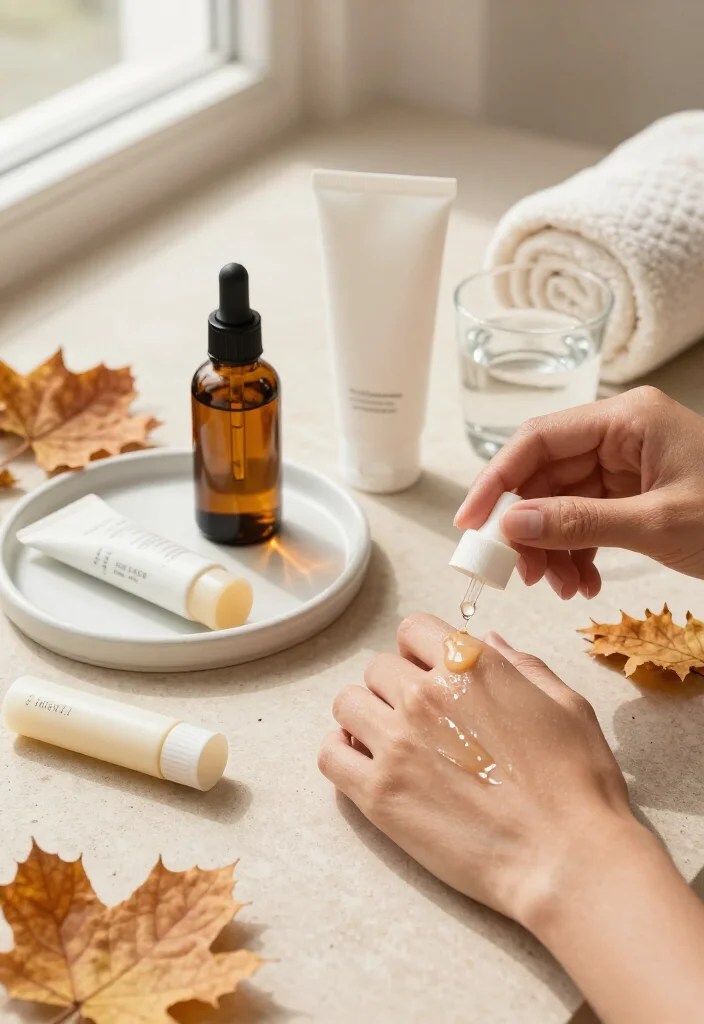
Autumn dryness often means your skin needs more water and better protection from water loss. One heavy cream may feel greasy without solving that tight, papery feeling. Thin layers can add comfort without covering your face in a sticky film. A watery essence, simple lotion, or hydrating serum works well beneath moisturizer. Editor’s Choice
Look for glycerin, hyaluronic acid, panthenol, beta-glucan, aloe, or sodium PCA. Apply these ingredients to slightly damp skin, then seal them with cream. If your room is very dry, a humectant serum may feel less comfortable on its own, so do not skip the moisturizing layer. Start with one product and watch how your skin responds.
Build a balanced routine in this order:
– Pat skin gently after cleansing, leaving slight dampness
– Smooth on one thin hydration layer
– Follow with moisturizer suited to your skin type
– Finish with broad-spectrum sunscreen every morning
More products do not always create more glow. Too many layers may pill, feel tacky, or clog pores. Use smaller amounts and allow each one a few seconds to settle. Dry skin may enjoy squalane pressed over night cream, while combination skin can use lotion on the T-zone and richer cream on the cheeks. A clean humidifier may also ease heater-related dryness. The goal is soft, bouncy skin that feels comfortable, not shiny.Build Hydration in Thin, Comfortable Layers


4. Choose One Glow-Boosting Serum at a Time

A serum can target one concern, but your choice should match what your skin actually needs. Dullness, uneven tone, dryness, and breakouts call for different ingredients. Using several strong formulas together may create redness instead of radiance. One well-chosen serum gives you clearer results and makes irritation easier to track.
Vitamin C can brighten the look of uneven tone during the morning. Niacinamide may support the barrier, calm visible redness, and reduce the look of excess oil. If your face feels tight or flaky, choose a simple glycerin or hyaluronic acid serum first. At night, a low-strength retinoid may improve texture, fine lines, and breakouts when introduced slowly.
Protect your skin while testing a new serum:
– Patch test each formula on a small area first
– Add only one new active during each testing period
– Begin retinoids with a pea-sized amount once weekly
– Keep acids and retinoids on separate beginner nights
Apply moisturizer after treatment and avoid the lips, nose creases, and eye area when starting a retinoid. Do not use retinoids during pregnancy unless your medical provider approves them. Stop any product that causes swelling, hives, or strong burning. A serum is optional, while moisturizer and sunscreen remain essential. Calm, hydrated skin creates a more natural glow than a crowded routine.
5. Give Your Moisture Barrier a Cozy Protective Layer

Your moisture barrier helps keep water inside and wind, irritants, and germs outside. Cold air, hot showers, harsh cleansers, and too many active products can weaken it. You may notice tightness, rough patches, or stinging when even a plain moisturizer touches your face. Autumn is a good time to choose steady comfort over an impressive product shelf. Editor’s Choice
Look for ceramides, fatty acids, cholesterol, glycerin, oat, squalane, and panthenol. A rich cream may suit dry skin at night, while a gel-cream can feel better on oily skin. Apply moisturizer while your face is slightly damp, then add extra product only where roughness appears. Press gently instead of rubbing hard, especially around the mouth and cheeks.
Use this simple approach for dry patches:
– Smooth a thin moisturizer layer across clean skin
– Wait briefly before adding a second small layer
– Focus extra cream on cheeks and mouth corners
– Seal stubborn areas with a plain balm overnight
Petrolatum and dimethicone can reduce water loss, but avoid areas that clog easily if bumps appear. Fragrance and essential oils may irritate a weakened barrier, even when they smell pleasant. Pause scrubs, acids, strong masks, and new actives when your face feels raw. Return to cleanser, moisturizer, and sunscreen until comfort returns. Healthy autumn skin should feel flexible and calm, not constantly glossy.Give Your Moisture Barrier a Cozy Protective Layer


6. Keep Sunscreen in Your Routine After Summer

Cool temperatures do not switch off ultraviolet rays. UVA can pass through clouds and windows, while bright walks, driving, and outdoor events continue exposing your skin. Daily sunscreen helps protect an even-looking tone and supports the results of every moisturizer or serum you use. It belongs in your autumn routine, not only beside your summer beach bag. Editor’s Choice
Choose broad-spectrum SPF 30 or higher in a texture you will apply generously. Dry skin may prefer a moisturizing lotion, while oily skin often likes a light fluid or gel. Sensitive skin can try a fragrance-free mineral formula. Apply sunscreen after moisturizer and cover the face, neck, ears, and exposed chest. The two-finger method offers a useful guide for face and neck coverage.
Remember these application details:
– Spread sunscreen across the hairline and outer ears
– Protect the backs of hands during daily outdoor time
– Reapply after sweating, swimming, or wiping your face
– Add a hat and sunglasses during long autumn outings
Tinted sunscreen containing iron oxides may help reduce a pale cast and offer visible-light support. Makeup with SPF should not replace sunscreen because most people apply too little foundation. If products pill, use fewer layers, wait between steps, and press rather than rub. Stop any formula that stings your eyes or causes a rash. Consistent protection keeps your skin healthier through every season.Keep Sunscreen in Your Routine After Summer


7. Do Not Forget Lips, Hands, Neck, and Ears

Your face is not the only skin facing cold wind and dry indoor air. Lips may crack, hands can feel rough after repeated washing, and ears or the neck often miss sunscreen. These areas need quick daily care rather than a complicated collection of products. A few small habits can prevent discomfort before it becomes distracting.
Use a plain lip balm with petrolatum, shea butter, beeswax, or another ingredient you tolerate. Apply it before going outdoors and again at bedtime. Daytime lip SPF helps during long walks or trips to higher elevations. For hands, keep a tube of rich cream near the sink and another beside your bed. Massage it across knuckles, cuticles, and between the fingers.
Build a small cold-weather care kit:
– Pack fragrance-free lip balm with daytime SPF
– Keep rich hand cream beside every main sink
– Carry plain balm for cracked or rough patches
– Wear soft gloves and scarves during windy weather
Bring facial moisturizer and sunscreen down the neck and across the ears. Hair spray, perfume, and rough wool collars can irritate the neck, so notice when symptoms appear. Avoid licking chapped lips because saliva evaporates quickly and worsens dryness. Mint, cinnamon, and strong fragrance may also sting. These easy steps help your whole body feel cared for, from forehead to fingertips.
8. Exfoliate Less and More Thoughtfully

Smooth skin can feel satisfying, but autumn flakes do not always need more scrubbing. They may signal a dry, irritated barrier that needs water and protection. Rough brushes, sugar scrubs, and strong acids can create tiny areas of damage, leaving your face red and sensitive. Gentle care usually creates a healthier glow than nightly polishing.
If your skin feels calm, choose one exfoliant for a specific goal. Lactic acid may suit dry skin, salicylic acid can help clogged pores, and polyhydroxy acids may feel milder for sensitive users. Start once a week and watch your skin for the next day or two. Do not add another active until you know the first one feels comfortable.
Follow these safer exfoliation habits:
– Apply the directed amount to clean, dry skin
– Avoid lips, eyelids, nose creases, and broken areas
– Use plain moisturizer after the treatment
– Keep exfoliant nights separate from beginner retinoid nights
Never use lemon juice, baking soda, or rough kitchen ingredients on your face. Stop if basic moisturizer begins to sting or flaking increases. Give your skin a recovery week with cleanser, cream, and sunscreen. Some people need no exfoliation, especially those with eczema, rosacea, or very sensitive skin. A calm surface looks softer and brighter than skin pushed past its comfort point.
9. Create a Weekly Soothing Ritual for Tired Skin

A weekly skincare pause can make autumn care feel restful instead of rushed. You do not need a strong peel or a stack of masks to refresh your face. A quiet evening with gentle cleansing, hydration, and cream can soften dry areas while giving you time to slow down. Treat the ritual as support, not a test of how many products you can use.
Choose a hydrating or soothing mask with colloidal oatmeal, glycerin, panthenol, aloe, or ceramides. Follow the package directions and rinse only when instructed. You can also apply a thicker layer of your regular moisturizer. Clay may help oily areas, but use it only on the nose or forehead if your cheeks feel dry.
Keep your weekly reset simple:
– Cleanse with lukewarm water and gentle fingertips
– Apply one soothing or water-rich treatment
– Skip acids, scrubs, and retinoids that evening
– Finish with moisturizer, lip balm, and hand cream
Clean your pillowcase and phone before the ritual so fresh skin meets fewer oils and dust particles. Do not sleep in a mask unless it is made for overnight use. Rinse off any product that causes burning, itching, or blotchy redness. A weekly treatment cannot repair harsh daily habits, but it can add comfort to a steady routine. The best result is skin that feels soft, cool, and rested.
10. Make Your Morning and Night Routine Easy to Repeat
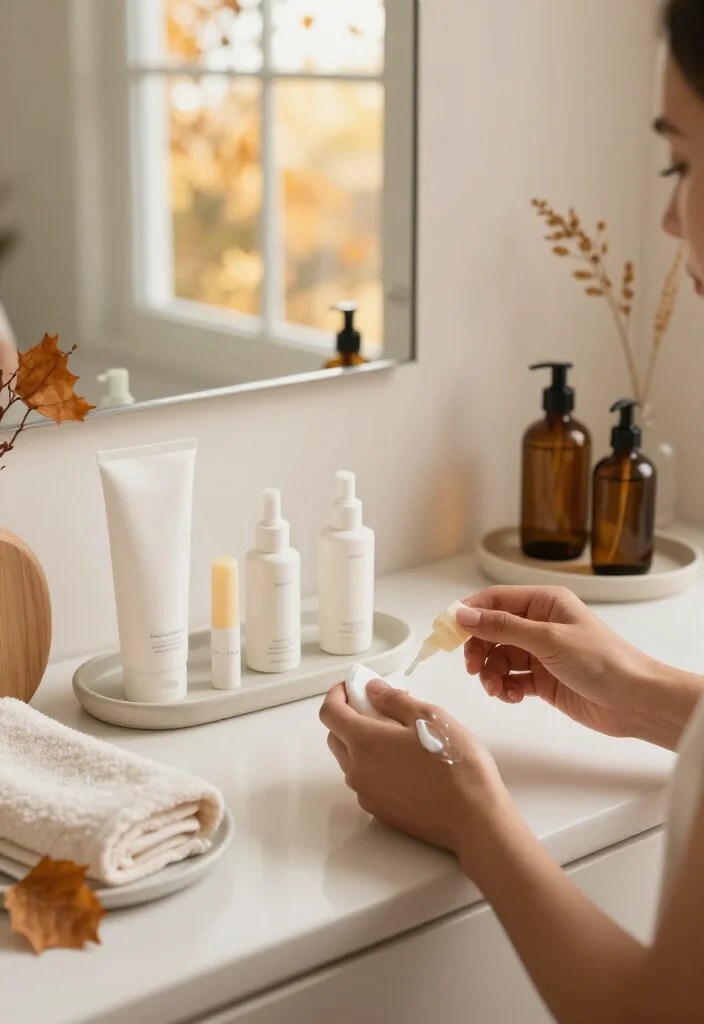
A routine only helps when you can repeat it on busy mornings and tired evenings. Clear product order reduces confusion and makes it easier to notice what your skin enjoys. You do not need ten daily steps. A few reliable choices can protect comfort, hydration, and a healthy-looking glow throughout autumn. Editor’s Choice
In the morning, cleanse lightly or rinse with water, then apply hydration, moisturizer, and broad-spectrum SPF 30 or higher. At night, remove makeup and sunscreen, cleanse gently, use a treatment only when your skin feels calm, and finish with cream. Keep retinoids and exfoliating acids on separate nights until your skin adjusts. A cleanser-and-moisturizer night still counts.
Make consistency easier with these small systems:
– Keep morning products together on one visible tray
– Store sunscreen beside keys or your daily bag
– Pack travel sizes of cleanser, cream, and lip balm
– Record new products and start dates in your phone
Use less product if layers pill, and wait briefly between applications. Stop a formula that causes a clear reaction rather than trying to cover the problem. Sleep, regular meals, comfortable showers, and enough fluids can support skin comfort, though they do not replace topical care. Give gentle products two or three weeks to show small changes. Simple habits often create the most lasting seasonal glow.Make Your Morning and Night Routine Easy to Repeat


Conclusion: Keep Your Autumn Glow Comfortable and Consistent

Glowing autumn skin does not require a crowded bathroom shelf or a perfect routine every single day. Gentle cleansing, steady hydration, barrier-friendly moisture, daily sunscreen, and careful use of treatments can keep your face calm through cold air and indoor heat. Start with one change, give it time, and let comfort guide the rest of your seasonal skincare choices.
Note: We aim to provide accurate product links, but some may occasionally expire or become unavailable. If this happens, please search directly on Amazon for the product or a suitable alternative.
This post contains Amazon affiliate links, meaning we may earn a small commission if you purchase through our links, at no extra cost to you.
Amazon and the Amazon logo are trademarks of Amazon.com, Inc, or its affiliates.


Author

judieannrose@live.co.uk
Related posts

16 Hydrating Winter Face Masks For Instant Glow And Comfort (Dry Skin Will Love #8!)
- 0
- 4,417 words
Achieving a healthy glow without a crowded shelf suits dry, oily, combination, and sensitive skin because every type loses water when seasons...
Read out all
20 Black Nail Designs So Gorgeous, You’ll Want To Copy Every Single One (Wait Until You See #17!)
- 0
- 5,695 words
Achieving a healthy glow without a crowded shelf suits dry, oily, combination, and sensitive skin because every type loses water when seasons...
Read out all
20 Stunning Long Hairstyles That Make Every Day A Good Hair Day (The Layers Are Everything!)
- 0
- 5,046 words
Achieving a healthy glow without a crowded shelf suits dry, oily, combination, and sensitive skin because every type loses water when seasons...
Read out all
19 Halloween Eye Makeup Ideas That’ll Make Your Eyes Impossible To Ignore (The Spider Look Is Everything!)
- 0
- 4,923 words
Achieving a healthy glow without a crowded shelf suits dry, oily, combination, and sensitive skin because every type loses water when seasons...
Read out all
15 Best Hair Growth Supplements For Thicker-Looking Hair: The Nutrients You Should Know Before You Buy
- 0
- 4,348 words
Achieving a healthy glow without a crowded shelf suits dry, oily, combination, and sensitive skin because every type loses water when seasons...
Read out all
11 Nail Repair Tips For Peeling, Splitting, And Damaged Nails (Rescue Your Manicure Before It’s Too Late!)
- 0
- 3,510 words
Achieving a healthy glow without a crowded shelf suits dry, oily, combination, and sensitive skin because every type loses water when seasons...
Read out all


